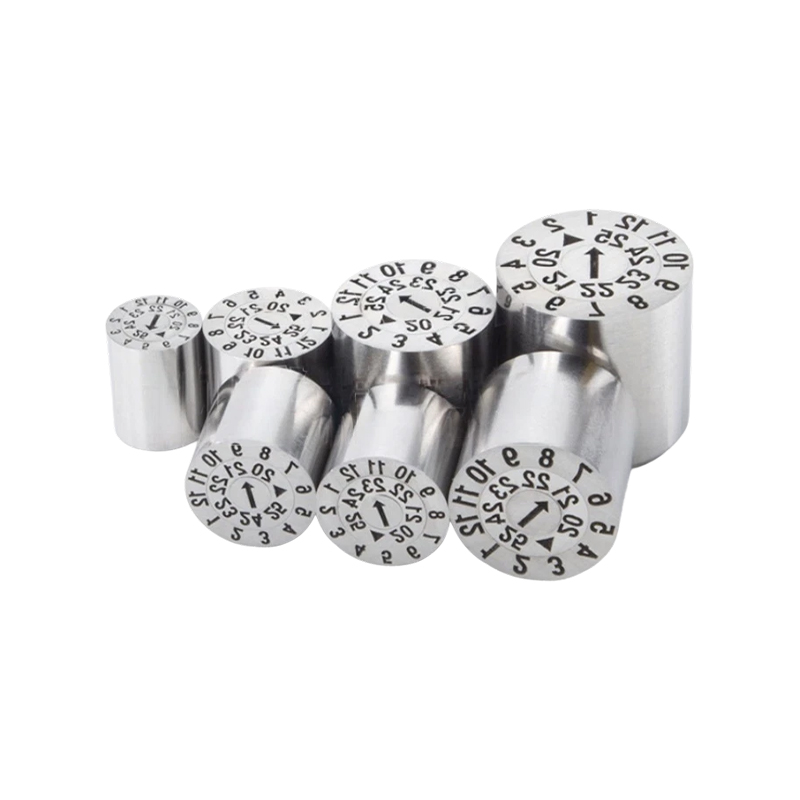
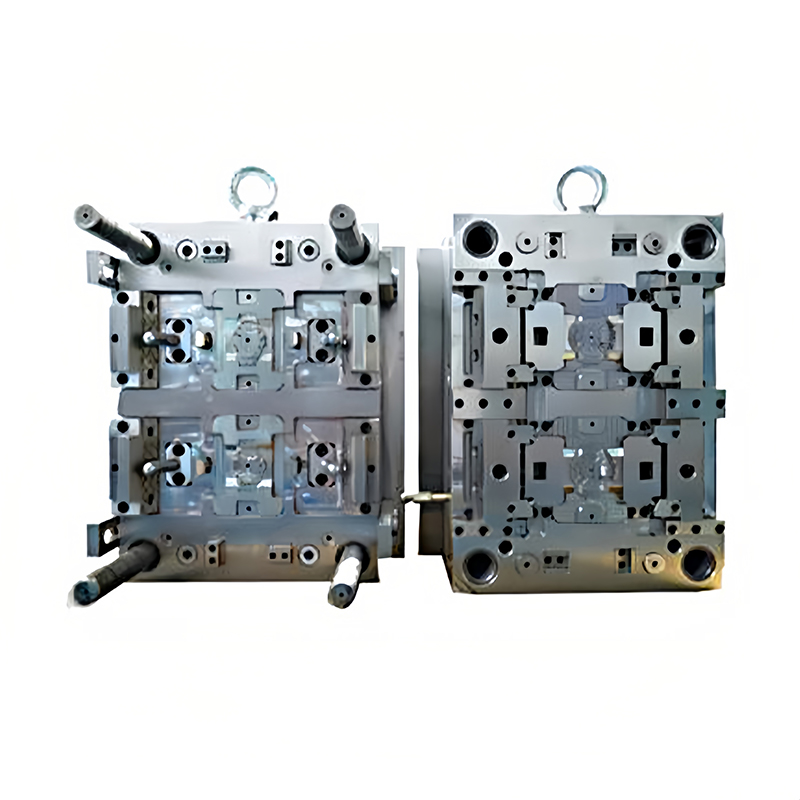
As manufacturing continues to evolve towards higher precision and efficiency, the mold industry demands increasingly higher quality and standardization in its components.
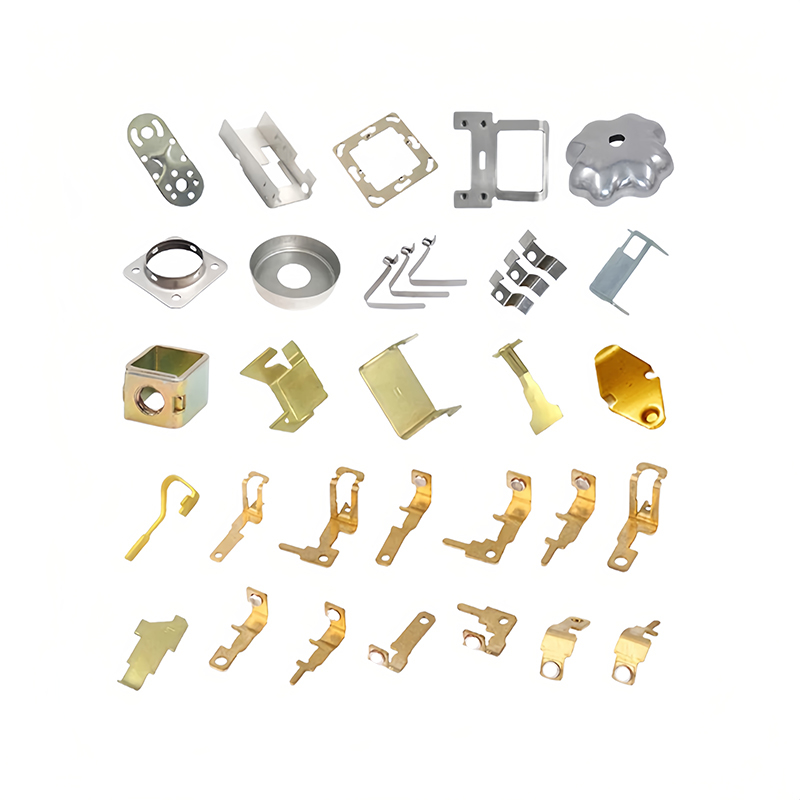
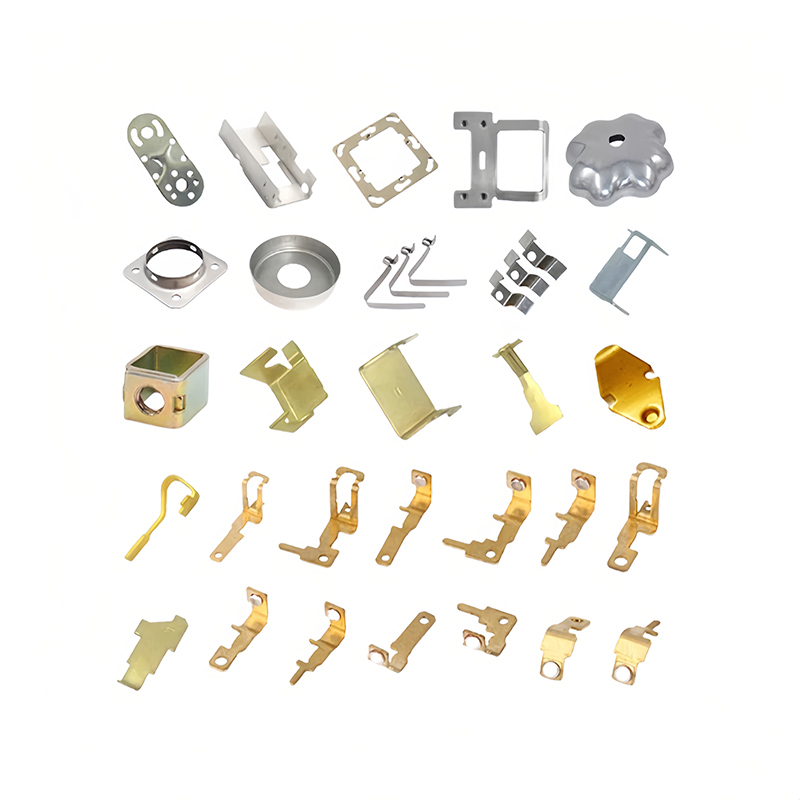
The design of non-standard metal stamping parts needs to be based on the functional requirements of the assembly scenario and to clarify the matching method with other components, such as clearance fit, transition fit or interference fit.
In the driving and passenger space of modern cars, from the smooth curves of the dashboard to the delicate textures of the door panels, from the integrated buttons on the center console to the contoured curvature of the seat headrests, these aesthetically
The design of positioning methods for non-standard metal stamping parts needs to take into account the shape characteristics and process requirements of the non-standard stamping parts.
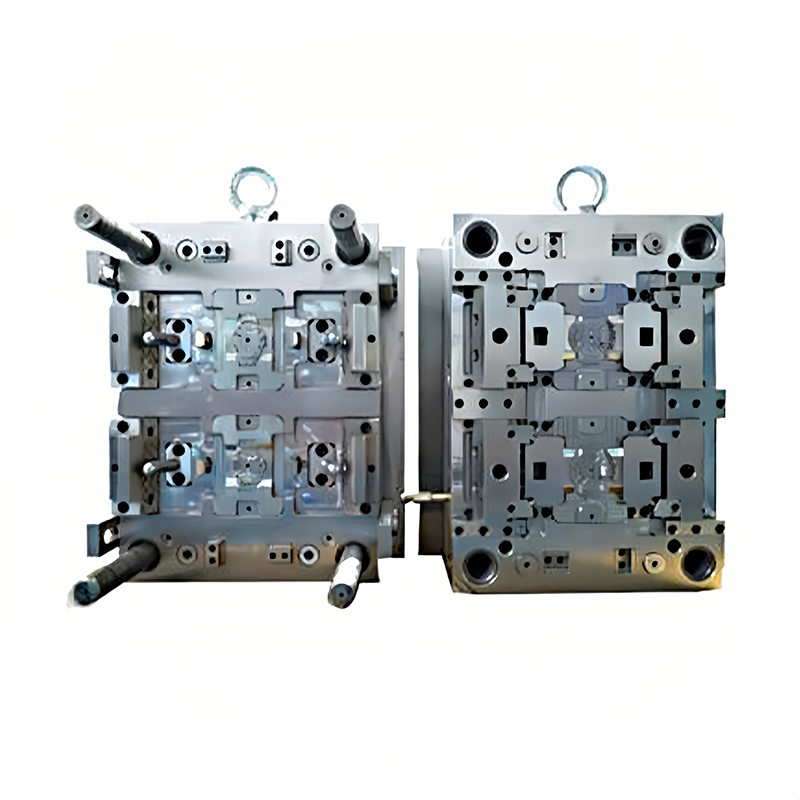
With the accelerating trends of lightweight electronics and precision automotive components, plastic injection molding is facing unprecedented challenges, especially for complex parts with wall thicknesses less than 1 mm or even thinner.
The design of the assembly structure directly affects the assembly efficiency and reliability of non-standard metal stamping parts.